In the previous Professional Studio II, PPAr students of academic year 2024/2025 have finished their studio projects and submitted their works for C40: Reinventing Cities (Students) international competition. The design process, enriched by direct guidance and several reviews by external architects have resulted in an achievement worth to be celebrated. The PPAr students have managed to gain the title of both second champion and third champion at C40: Reinventing Cities under the category of Marconi District Student Housing.
student achievements
An emotional atmosphere filled the Tedjo Suminto Hall, Department of Architecture and Planning (DTAP), Faculty of Engineering, Universitas Gadjah Mada, on Tuesday, November 25, 2025. A total of 13 students from the Regional and City Planning (PWK) Study Program and 14 students from the Architecture Study Program were officially released as graduating students who would take part in the official graduation ceremony the following day, November 26, 2025. The two-hour event, which began at 1:00 PM, was attended by the students along with their parents and families as a form of support for their academic achievements.

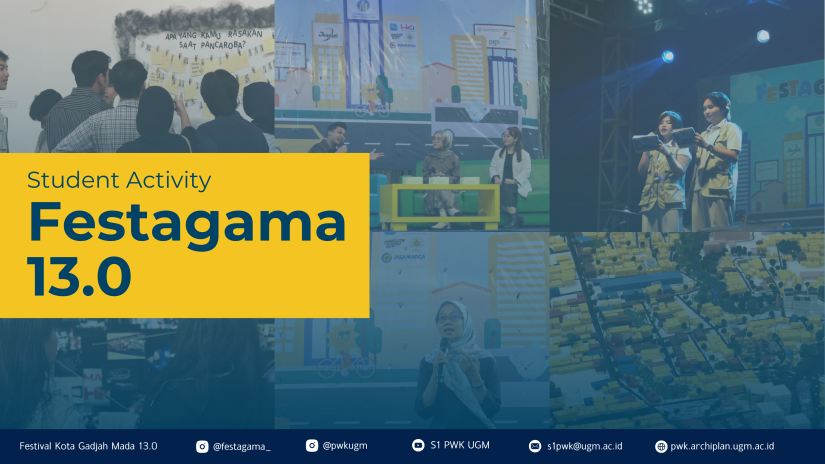
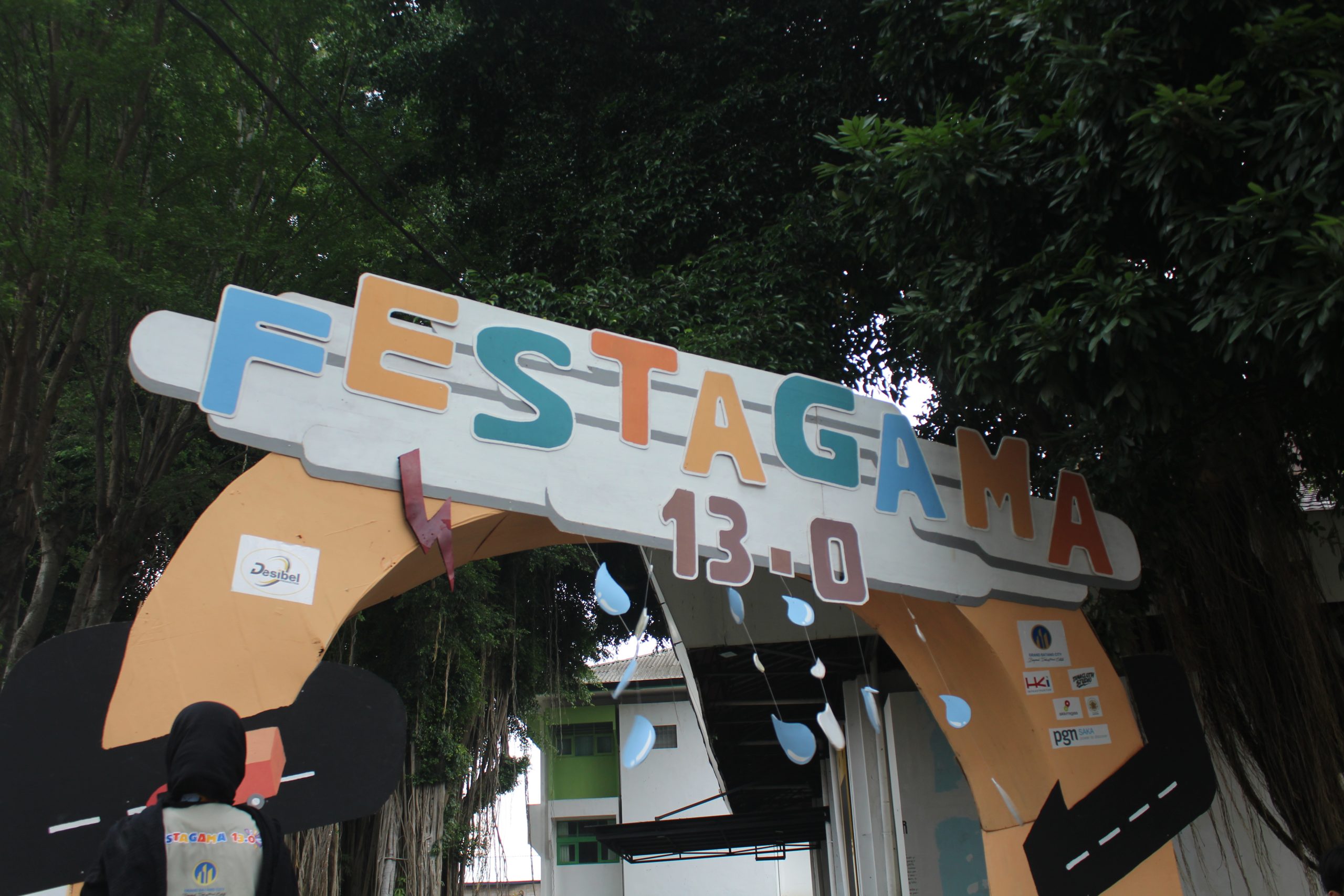
Yogyakarta, June 1, 2025 — The Gadjah Mada City Festival (Festagama) returned in 2025. Festagama is an annual festival open to the public, organized by students of the Urban and Regional Planning Program, Department of Architecture and Planning, Faculty of Engineering, Universitas Gadjah Mada—specifically the 2023 and 2024 cohorts. The festival serves as a space for creative exploration that connects art, the city, and the community.
The 13th edition, Festagama 13.0, carries the theme “Citra Musim Rupa Kota” (Seasons of the City’s Images). This theme invites participants to explore urban dynamics through the diversity of seasons, showcasing how a city can adapt to various seasonal changes—covering aspects of urban infrastructure, city image and experience, and the aesthetics of public spaces.
To celebrate the selection of candidates for the Thesis of the Year (TOY) and Student’s Design Competition (SDC) of the Architects Regional Council Asia (ARCASIA) 2025 by the Association of Architectural Higher Education in Indonesia (APTARI) and the Indonesian Institute of Architects (IAI), the Undergraduate Architecture Program, Department of Architecture and Planning, Faculty of Engineering, Universitas Gadjah Mada held the TOY & SDC ARCASIA Indonesia 2025 Exhibition.
This exhibition showcases 13 TOY finalists and 10 SDC finalists who were selected through a two-stage process: the regional level by APTARI and the national level by IAI. As the initiator of this exhibition, IAI appointed undergraduate architecture programs at 14 universities across Indonesia, including Universitas Gadjah Mada, as the host of the TOY and SDC ARCASIA 2025 Indonesia exhibition from July 7 to August 8, 2025. Specifically for UGM, the exhibition was extended until mid-August 2025 to welcome the new batch of architecture students. In organizing this exhibition, IAI required participating programs to present works anonymously to maintain fairness in the Asia-level judging process and to design the exhibition in a way that reflects the uniqueness of each university.
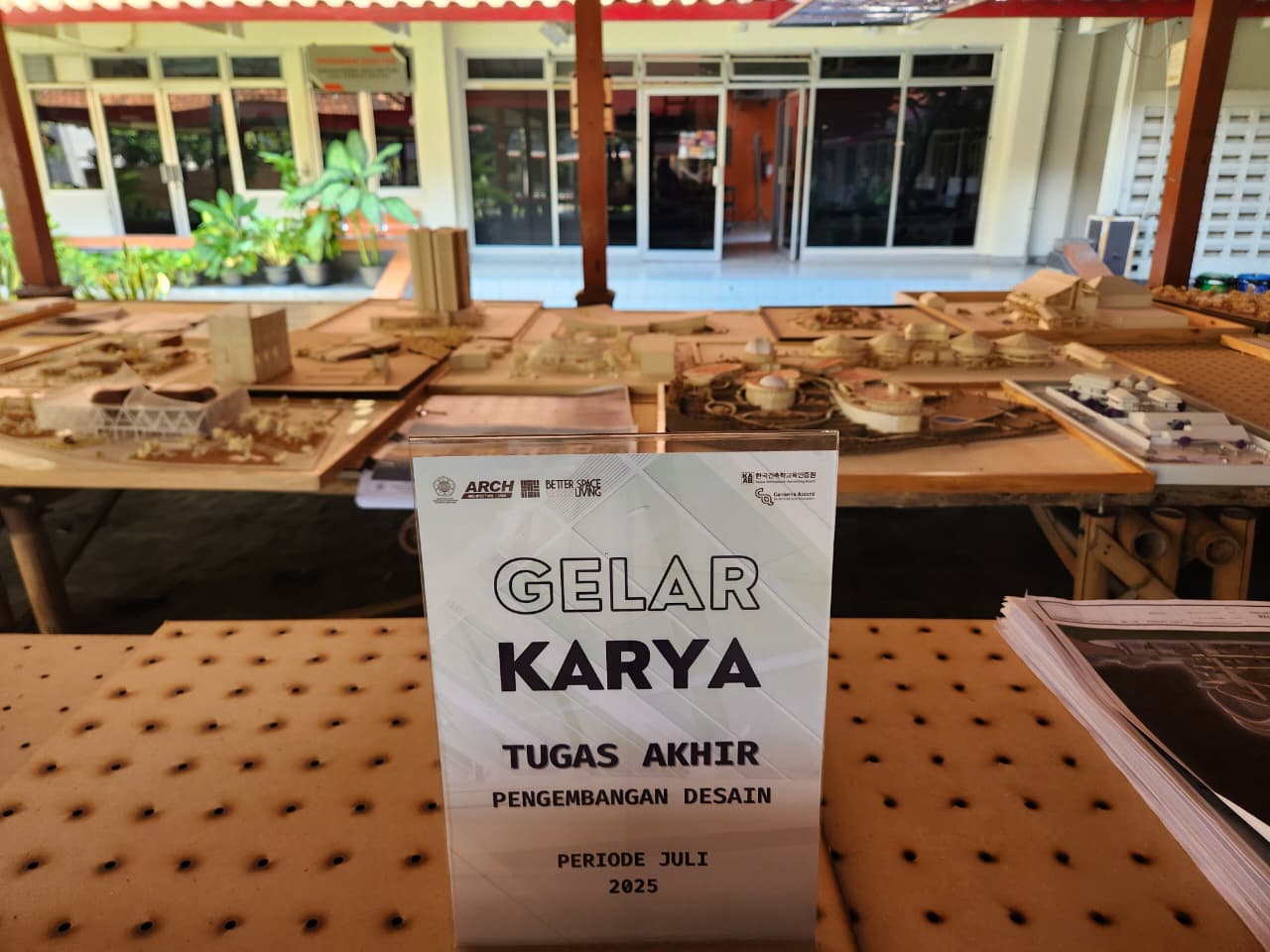
The Architecture Study Program held the Final Project Exhibition – Design Development Stage, July 2025 Period at the Pendopo Tedjo Suminto, Department of Architecture and Planning, Faculty of Engineering, Universitas Gadjah Mada. The exhibition took place throughout July 2025, showcasing final projects of senior students in the form of models and posters. These works presented innovative architectural ideas that respond to contemporary challenges, ranging from cultural heritage preservation, community development, and sustainability issues, to the integration of technology in building design.
Three students of the 2024 cohort of the Master’s Program in Architecture (PMPSA), Universitas Gadjah Mada, who are participants in Studio 2 under the Housing and Settlement Architecture Research Group, successfully conducted their final studio presentation on Thursday, June 19, 2025. The students presented the results of their research, which had been carried out throughout the semester under the guidance of lecturers from the Housing and Settlement Architecture Research Group, namely Dr.Eng. Ir. Ahmad Sarwadi, M.Eng., IPM, and Ardhya Nareswari, S.T., M.T., Ph.D. The final presentation was also attended by Diananta Pramitasari, S.T., M.Eng., Ph.D., Head of the PMPSA Program, who provided valuable feedback on the students’ research outcomes.
On June 25, 2025, the Doctoral Program in Architecture, Department of Architecture and Planning, Faculty of Engineering, Universitas Gadjah Mada (DTAP FT UGM), held a Closed Doctoral Examination for doctoral candidate Mutiawati Mandaka with the dissertation entitled “Urban Morphology of Historic Tourism Cities: Case Study of Lasem, Central Java.”
“This research highlights the crucial role of urban morphology in supporting sustainable tourism development in small historic towns, with a focus on the town of Lasem, Central Java. As a coastal town with rich cultural heritage, Lasem demonstrates how the historical form and spatial structure of the city can shape identity, enhance tourism appeal, and influence the direction of tourism development.”
(Excerpt from the dissertation abstract by Mutiawati Mandaka, 2025, p. xx)
Ristya Arinta Safitri, a doctoral student of the Architecture Program, Department of Architecture and Planning, Faculty of Engineering, Universitas Gadjah Mada (DTAP FT UGM), has published her scholarly article entitled “Adaptability of Siheyuan (四合院) Spatial Arrangement in Chinese Houses in Kampung Ketandan, Yogyakarta, Indonesia” in the internationally reputable journal Built Heritage, indexed by Scopus. This publication is part of her dissertation research conducted under the supervision of Prof. Ir. Tarcicius Yoyok Wahyu Subroto, M.Eng., Ph.D., IPUas Promoter, and Dr. Ir. Dwita Hadi Rahmi, M.A. as Co-Promoter.
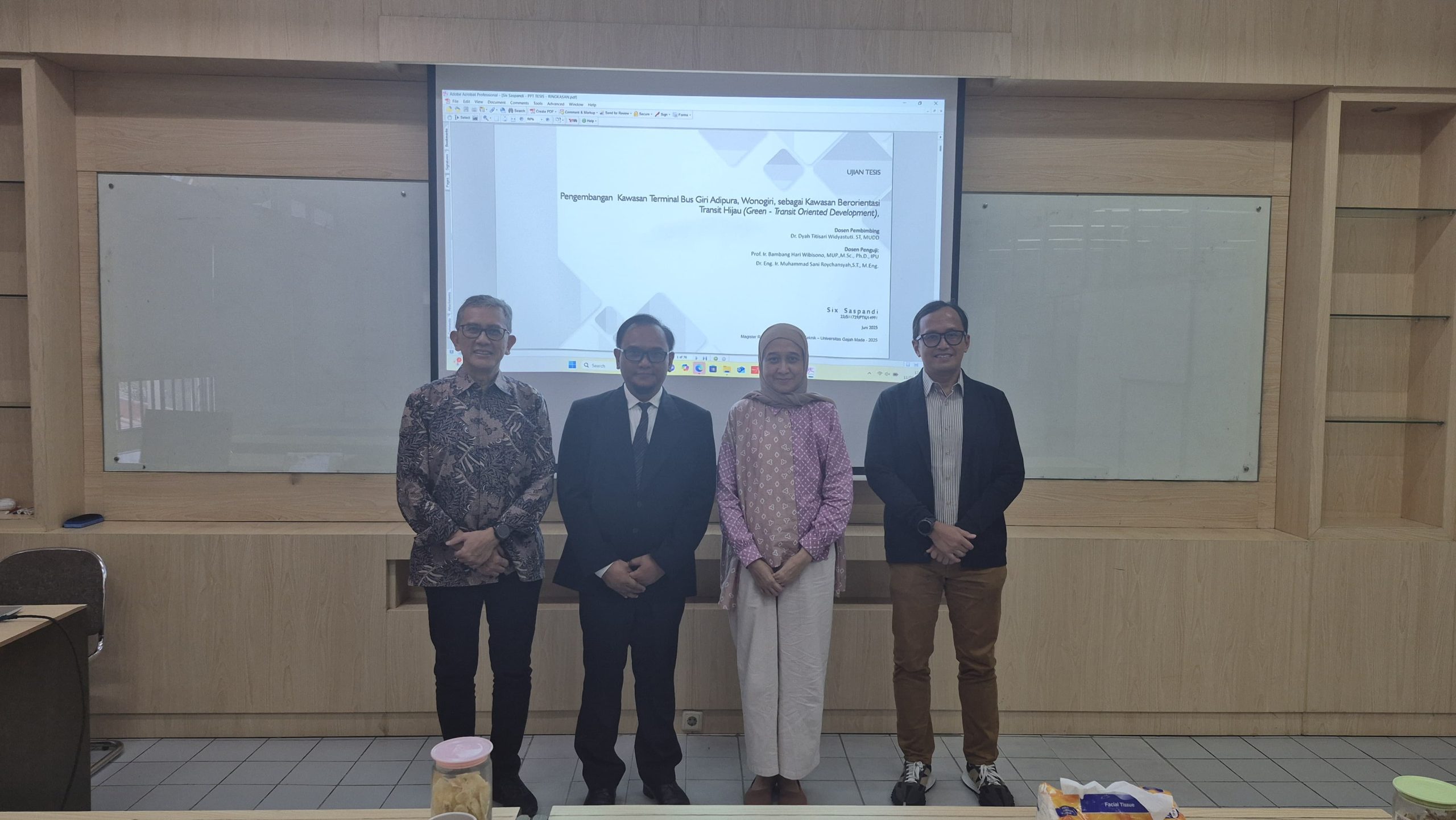
On Wednesday, June 11, 2025, Six Saspandi successfully defended his closed thesis examination with the thesis titled “Development of the Giri Adipura Bus Terminal Area, Wonogiri, as a Green Transit-Oriented Development (Green TOD)”, under the supervision of Dr. Dyah Titisari Widyastuti, S.T., MUDD (supervisor), Prof. Ir. Bambang Hari Wibisono, MUP, M.Sc., Ph.D. (examiner 1), and Dr. Eng. Ir. Muhammad Sani Roychansyah, S.T., M.Eng. (examiner 2).
This research explores the potential development of the Giri Adipura Terminal in Wonogiri as a Green TOD within an area of 115.19 hectares, focusing on a 400-meter core zone and an 800-meter secondary zone. Supported by a Building Coverage Ratio (BCR) of 23.16%, a density of 78 people/ha, and Green Open Space (GOS) of 23.58%, the area faces challenges such as the dominance of private vehicles and the absence of certified green buildings. Strategies include increasing spatial intensity, optimizing GOS between 20–40%, and promoting mixed-use development based on transit. Implementation is planned in stages through a micro-scale approach, public green spaces, and mixed-use functions, while adapting to local constraints such as LSD zones. Community participation and cross-sector coordination are essential, with incentives such as ticket discounts and environmentally friendly designs to support ecological and social balance.
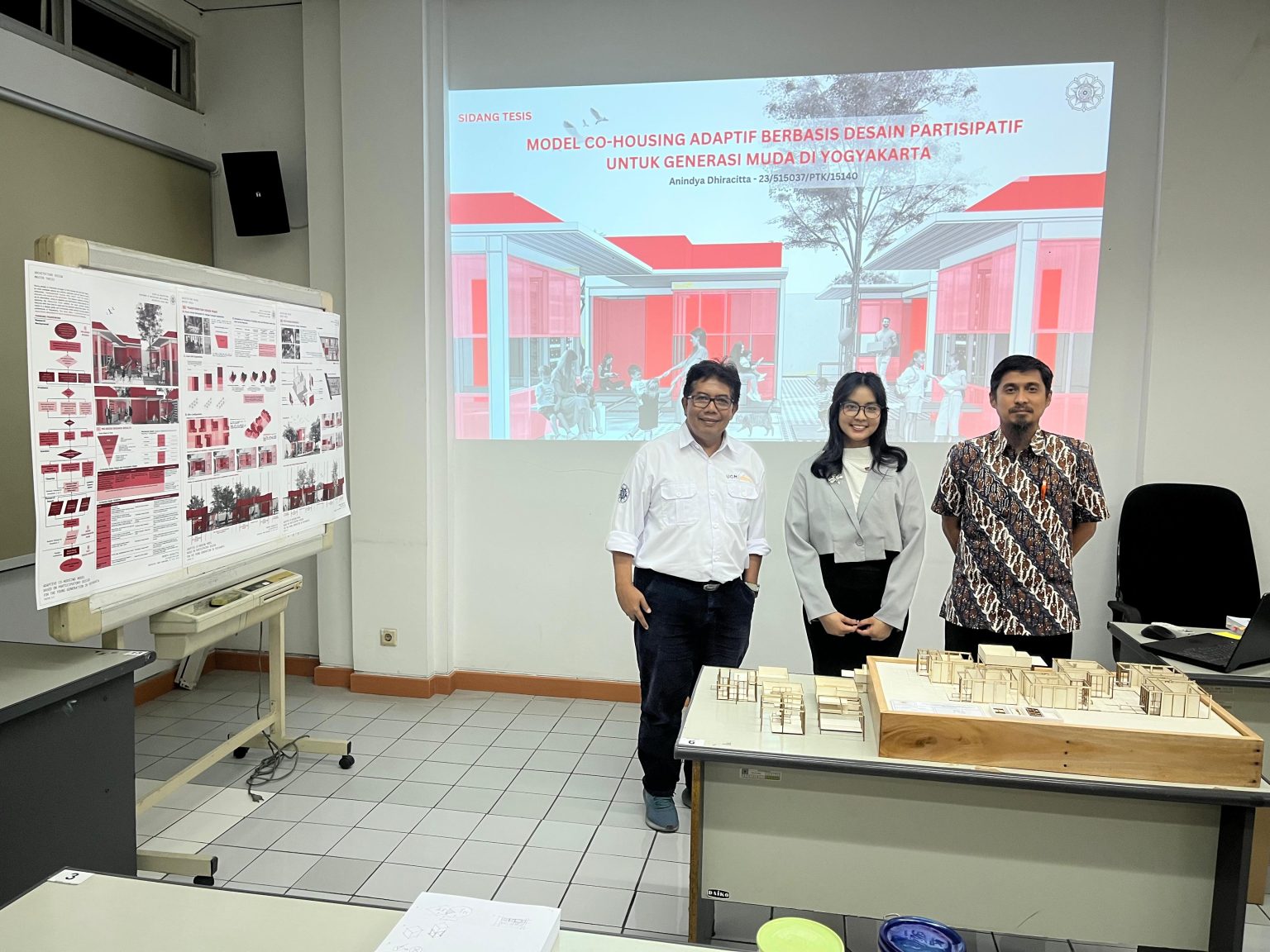
On Monday, July 21, 2025, the second thesis defense in the Architectural Design Concentration was successfully completed by Anindya Dhiracitta. Citta presented her thesis titled “Adaptive Co-Housing Model Based on Participatory Design for Young Generations in Yogyakarta.”
Amid the housing affordability crisis and the growing demand for supportive social spaces, conventional housing models often fail to accommodate the lifestyles and values of today’s younger generation. Through a Means-End Chain analysis approach, this thesis explored the relationship between housing attributes, usage consequences, and personal values considered significant for the lives of young people. This process was then translated into the design of an adaptive co-housing model, developed collaboratively with prospective residents through participatory design.