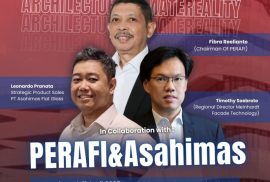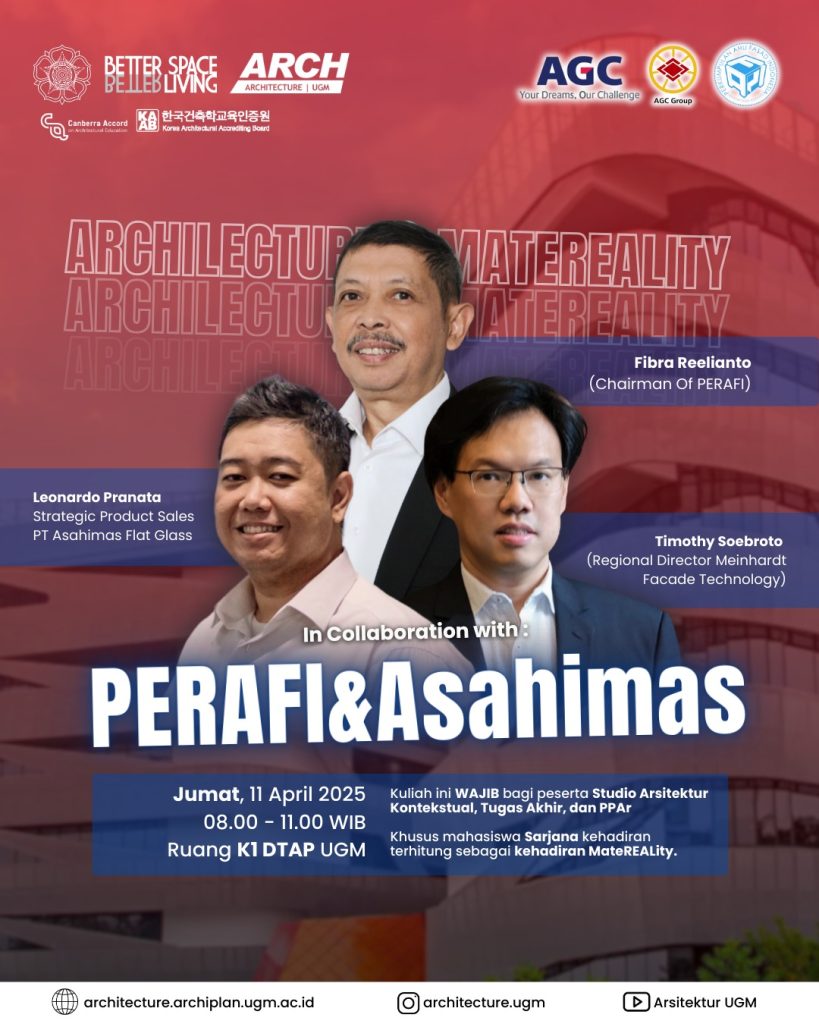
Yogyakarta, Friday, April 11, 2025 — The Undergraduate Program in Architecture and the Professional Program for Architect (PPAr) at Universitas Gadjah Mada (UGM) continue to support student learning by organizing educational events that stay in tune with industry trends. One such event, Archilecture, is an academic forum held by the UGM Architecture Department. This time, it was held in collaboration with PERAFI (Perkumpulan Ahli Fasad Indonesia) and Asahimas Flat Glass. The forum featured expert speakers: Fibra Reelianto (Chairman of PERAFI), Timothy Soebroto (Regional Director of Meinhardt Facade Technology), and Leonardo Pranata (Strategic Product Sales at PT Asahimas Flat Glass). The session was moderated by UGM Architecture lecturer, Kadek Indira.
Activity
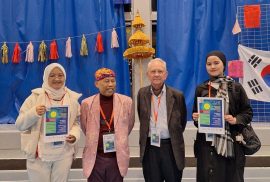
Paris and Le Havre, France — From March 5 to 7, 2025, the international conference “The Rise of Asia” took place, commemorating the 70th anniversary of the 1955 Asian-African Conference and continuing the Bandung Spirit Movement. Day one was held in Paris, followed by sessions in Le Havre for the remaining two days, serving as a crucial forum for developing countries to collaborate on creating a more just, inclusive, and sustainable global future.
Since its launch in 2015, The Rise of Asia Conference has consistently emphasized solidarity, cooperation, and decolonization. This year, it reinforced its commitment to the Sustainable Development Goals (SDGs) as the foundation of global development initiatives. A key agenda was the establishment of the University of New Emerging Forces (UNEFO) in Koudougou, Burkina Faso, supporting SDG 4 (Quality Education), SDG 17 (Partnerships for the Goals), and SDGs 10 and 11 (Reducing Inequality and Building Sustainable Communities). Notably, a student from UGM’s Department of Architecture and Planning (DTAP), Bening Putri Kasandra, contributed to the library design team for UNEFO, incorporating Burkina Faso’s local values and embodying the Asia-Africa spirit.
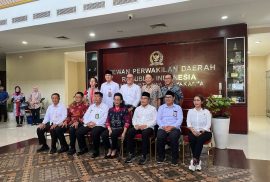
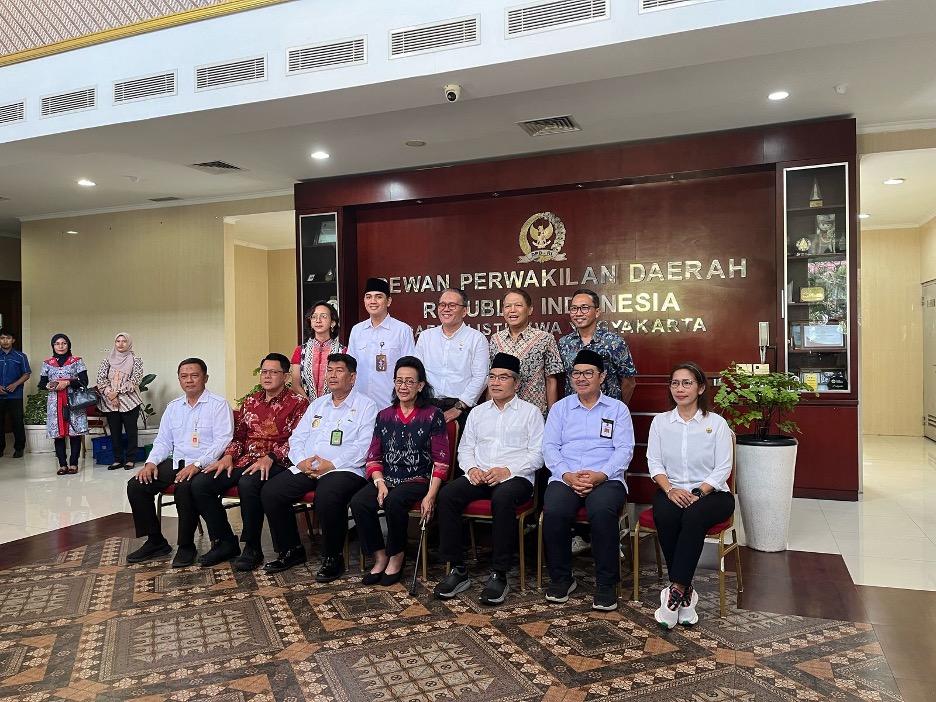
Yogyakarta – The First Committee of the Regional Representative Council of the Republic of Indonesia (DPD RI) held a working meeting as part of its recess agenda for Session III of the 2024–2025 Legislative Year. The meeting, conducted on Wednesday, April 9, 2025, at the DPD RI Regional Office in Yogyakarta, aimed to gather insights and conduct a review of the implementation of Law No. 26 of 2007 on Spatial Planning.
Prof. Bakti Setiawan (Prof Bobi) from the Department of Architecture and Planning, Universitas Gadjah Mada (UGM), was invited as one of the key resource persons. His presence was requested directly by Committee I member, Her Highness Gusti Kanjeng Ratu Hemas, to provide academic insights regarding spatial planning developments in the Special Region of Yogyakarta, particularly in the context of Law No. 11 of 2020 on Job Creation, which amended several provisions of the Spatial Planning Law.
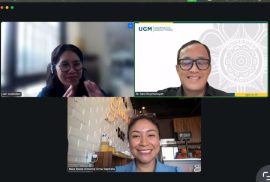
Yogyakarta, April 9, 2025 — The Master’s Program in Urban and Regional Planning (MPWK) at Universitas Gadjah Mada conducted an interview with a prospective student from Timor-Leste as part of the 2025/2026 academic year student admission process. The interview was carried out by the Head of the MPWK Program, Dr.Eng. Muhammad Sani Roychansyah, S.T., M.Eng., IAP, representing the program in selecting international candidates for the Special Scholarship for Postgraduate Students.
This interview served as a key step in the scholarship selection process, which is the result of a collaboration between Universitas Gadjah Mada and the Ministry of Higher Education, Science, and Culture of Timor-Leste, initiated in November 2024. The program aims to provide opportunities for outstanding Timorese students to pursue graduate studies at UGM.
The Great Hanshin-Awaji Earthquake in 1995 marked a turning point for Kobe City, transforming it into a center for expertise in safety management, particularly in disaster prevention and mitigation. Over the years, Kobe has become a hub for national and international organizations, institutions, researchers, and academics seeking to learn from the advanced safety management systems developed in response to the disaster.
As part of the Asian Cooperative Program (ACP), Kansai University of International Studies (KUISs) in Kobe, Japan, hosted an activity titled “The Japanese Safety Management and Japanese Culture.” This program ran from February 6 to 17, 2025, bringing together students from various ACP member universities, including Bramertha Salsabella Roseli (Mertha), a student from the Department of Architecture and Planning. The initiative aligns with several Sustainable Development Goals (SDGs), such as quality education (SDG 4), innovation in infrastructure (SDG 9), and fostering global partnerships (SDG 17).
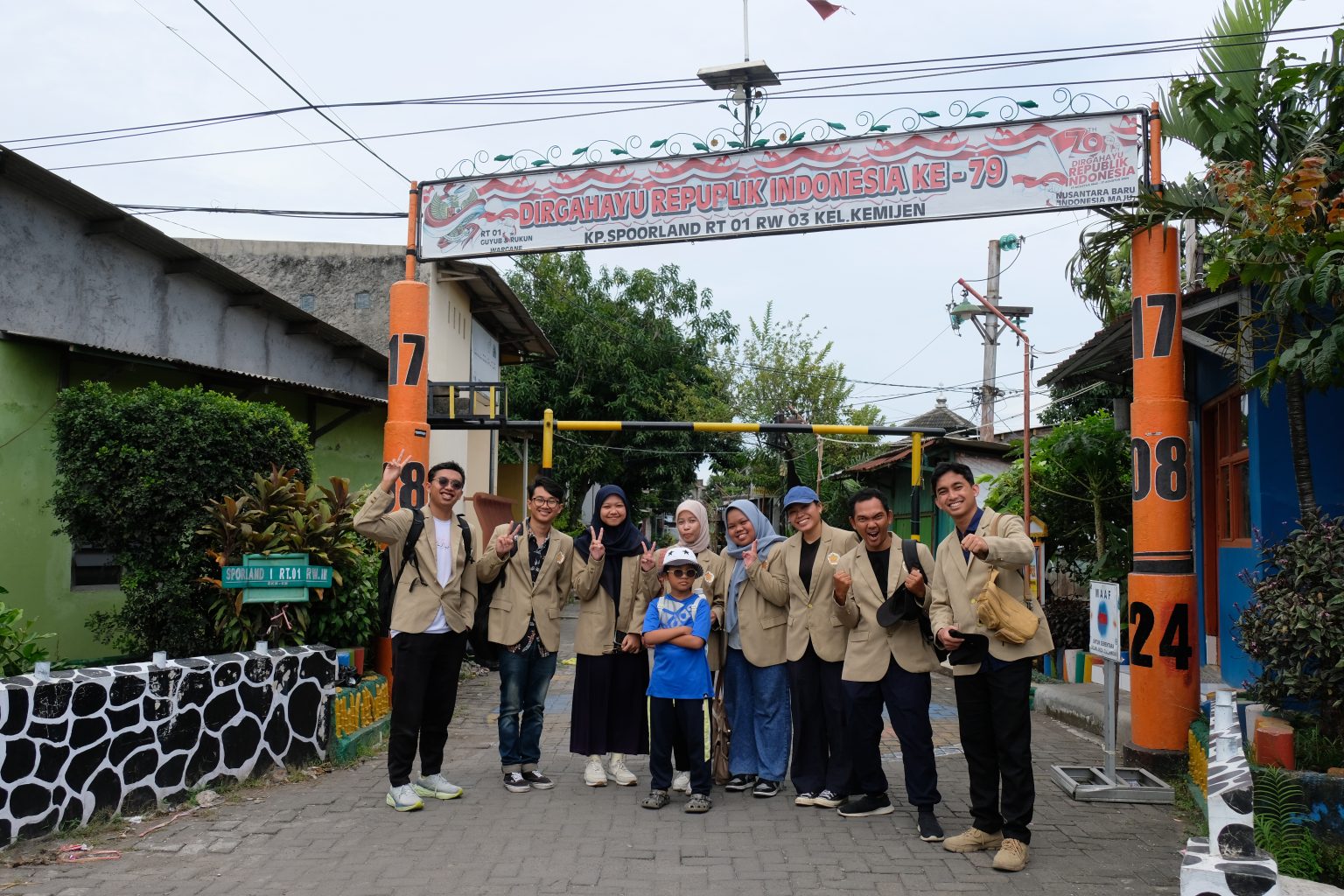
On February 22–23, 2025, eight students from the 2024 cohort of the Tourism Architecture Concentration, Master’s Program in Architecture, DTAP UGM, visited Samarang Station, Kampung Spoorland, East Semarang, for a field study. This activity was accompanied by Ir. Ikaputra, M.Eng., Ph.D. (lecturer at DTAP UGM) and was part of the learning process for the Tourism Architecture Studio 1 course. For the students taking this course, the visit to Samarang Station aimed to: (1) enhance academic insight in the field of architectural research, particularly in tourism architecture; (2) understand the current condition of the Samarang Station area in terms of nature, physical environment, architecture, and local society; and (3) directly practice theoretical studies of tourism architecture in the Samarang Station area. From the field observation and literature review activities related to Samarang Station, the students obtained various visual and textual data. These data will then be processed in the Tourism Architecture Studio 1 course for the development of a heritage architecture concept of Samarang Station as a tourist destination
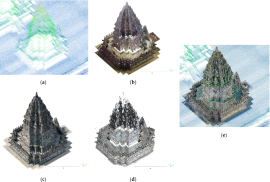
Ir. Ikaputra, M.Eng., Ph.D., a lecturer in the Master’s Program of Architecture at DTAP UGM, published a scientific article titled “Three-Dimensional Digital Documentation for the Conservation of the Prambanan Temple Cluster Using Guided Multi-Sensor Techniques” in the Heritage journal. This article is a collaborative work involving several parties, namely:
Anindya Sricandra Prasidya, S.T., M.Eng. (Department of Geodesy and Geomatics Engineering, Faculty of Earth Sciences and Technology ITB, and Department of Earth Technology, Vocational College UGM) – as the first author;

Tuesday, February 11th, 2025 marked the start of Professional Studio II from the Professional Architect Education Program that is being held in the second semester of Academic Year 2024/2025. There are differences on how the scheme of Professional Studio II is conducted this year compared to the previous years where students will be undergoing internship under an architectural firm. In this year’s studio, the students will be directly guided by external architects in preparation to participate in an open international architectural competition called C40: Reinventing Cities.


Yogyakarta, March 15, 2025 – Wiswakharman Expo (WEX) successfully held a discussion forum titled “Menutur Sajak” with the theme “Placemaking for Interaction and Learning.” The event featured speakers Syam Rachma Marcillia, S.T., M.Eng., Ph.D., a lecturer from the Department of Architecture and Planning (DTAP) UGM, and Dr. Phil. Oki Rahadianto Sutopo, S.Sos., M.Si. an Associate Professor of Sociology Program, UGM. This discussion took place at Titik Nol Yogyakarta, where attendees were invited to engage in conversations regarding the growing concerns of limited public spaces in Yogyakarta. As a city renowned for its title as the “Student City,” Yogyakarta is now facing challenges in adapting to students’ needs for inclusive spaces that support learning beyond the campus environment.

Tuesday, March 25, 2025 – Ir. Ikaputra, M.Eng., Ph.D., attended and delivered opening remarks as the Head of the Center for Transportation and Logistics Studies (PUSTRAL) UGM at a webinar titled “Modern Project Management in Transportation Infrastructure Development.” The event was organized by PUSTRAL UGM and held online via Zoom Meeting, with a live broadcast on PUSTRAL UGM’s YouTube channel.
In his remarks, Ir. Ikaputra emphasized that transportation infrastructure development serves as the backbone of economic growth and equitable regional development. Projects such as toll roads, railways, ports, and airports not only enhance interregional connectivity but also help reduce logistics costs and promote the tourism sector. Given the complexity of infrastructure projects, an innovative, integrated, and efficient project management approach is essential.