
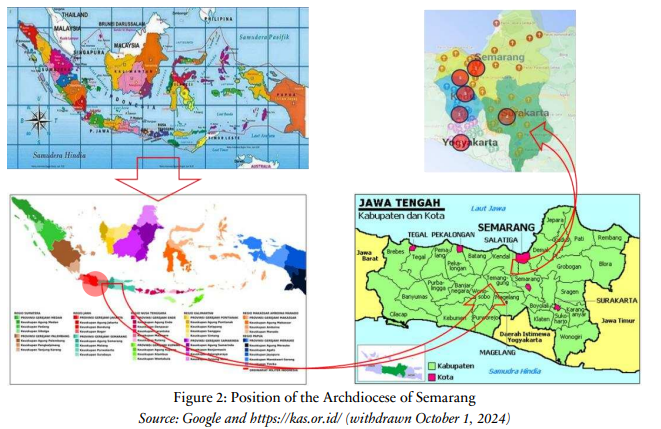
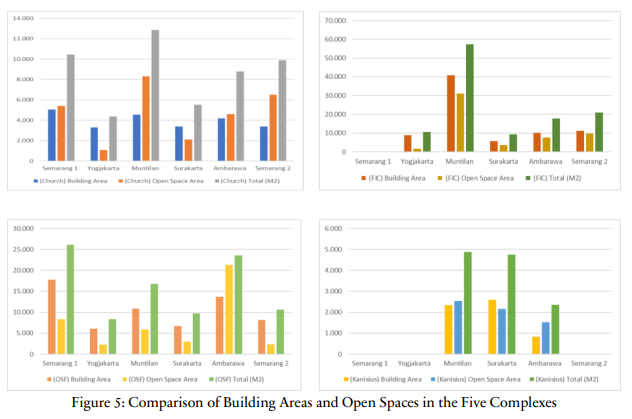
A study examining conservation strategies for colonial-era religious and educational complexes in the Archdiocese of Semarang through the Historic Interpretation Strategy (HIS) approach has been published in an international journal. The research was published in Social Sustainability in Economic, Social, and Cultural. The article by Rosalia Rachma Rihadiani, together with Prof. Ir. Sudaryono, M.Eng., Ph.D., IPU. as Promotor and Dr.Eng. Ir. Laretna Trisnantari Adishakti, M.Arch. as Co-Promotor, can be accessed through: https://doi.org/10.18848/2325-1115/CGP/v22i01/63-86. The research, entitled “Historical Collective Memory as a Strategy for Architectural Conservation in the Archdiocese of Semarang: A Case Study of Yogyakarta, Surakarta, Muntilan, Ambarawa, and Semarang,” highlights that architectural conservation is not limited to the physical aspects of buildings, but also involves collective memory, historical values, and spatial meanings that continue to evolve within society.
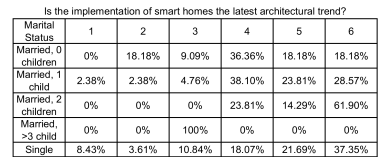
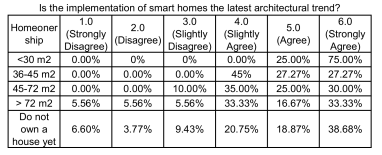
Meanwhile, the research entitled “The Role of Smart Homes Technology in Shaping Zillennial Housing Preferences in Jakarta Metropolitan Area, Indonesia” by Mewam Indra Z, together with Dr. Ir. Arif Kusumawanto, M.T., IAI., IPU. as Promotor and Dr. Eng. Agus Hariyadi, S.T., M.Sc. as Co-Promotor, was also published in an international journal. Published in Architecture Research, this study explores the development of future housing through the integration of smart home technology. Using the Technology Acceptance Model (TAM) and the Unified Theory of Acceptance and Use of Technology (UTAUT), the research investigates how social and demographic factors influence technology acceptance among the Zillennial generation in the Jakarta metropolitan area. The full article is available at: https://rad.ort.edu.uy/items/a2b2d22f-e2e8-407f-a506-7f5e523a1d24/full.
Both studies demonstrate relevance to the achievement of the Sustainable Development Goals (SDGs). The architectural conservation study contributes to SDG 11 (Sustainable Cities and Communities) by supporting the preservation of cultural heritage identity and urban resilience, as well as SDG 9 (Industry, Innovation, and Infrastructure) through the development of innovative conservation strategies. Meanwhile, the smart home technology research contributes to SDG 11 by promoting adaptive and sustainable urban housing development, and SDG 9 through technological innovation in housing infrastructure. Both studies also align with SDG 4 (Quality Education) by strengthening research culture, academic development, and scientific contributions from doctoral architecture students.
This article is reproduced from:
Original author: Shafa Amalia Sukowati
Editor and content rearrangement: Rindi Dwi Cahyati