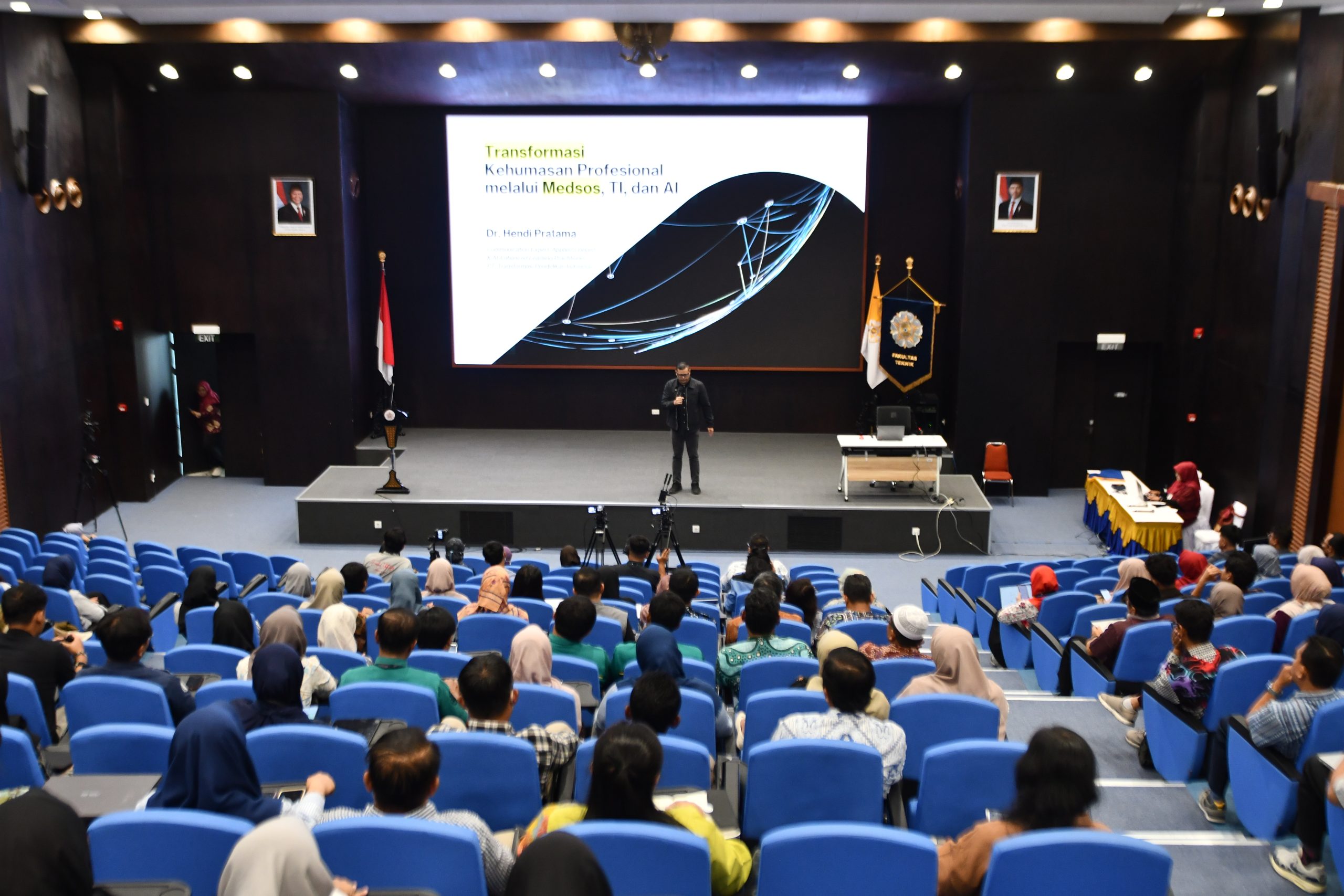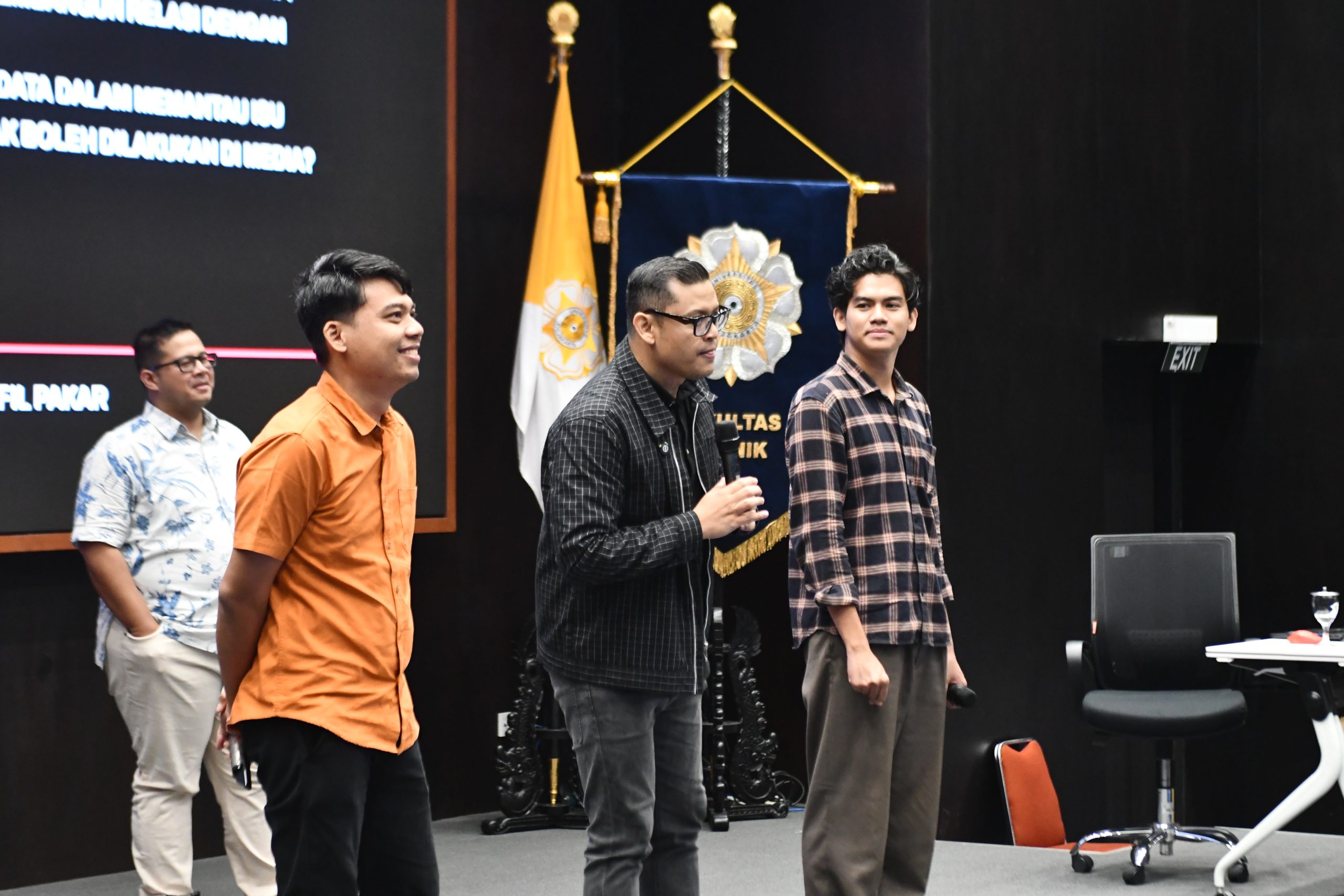
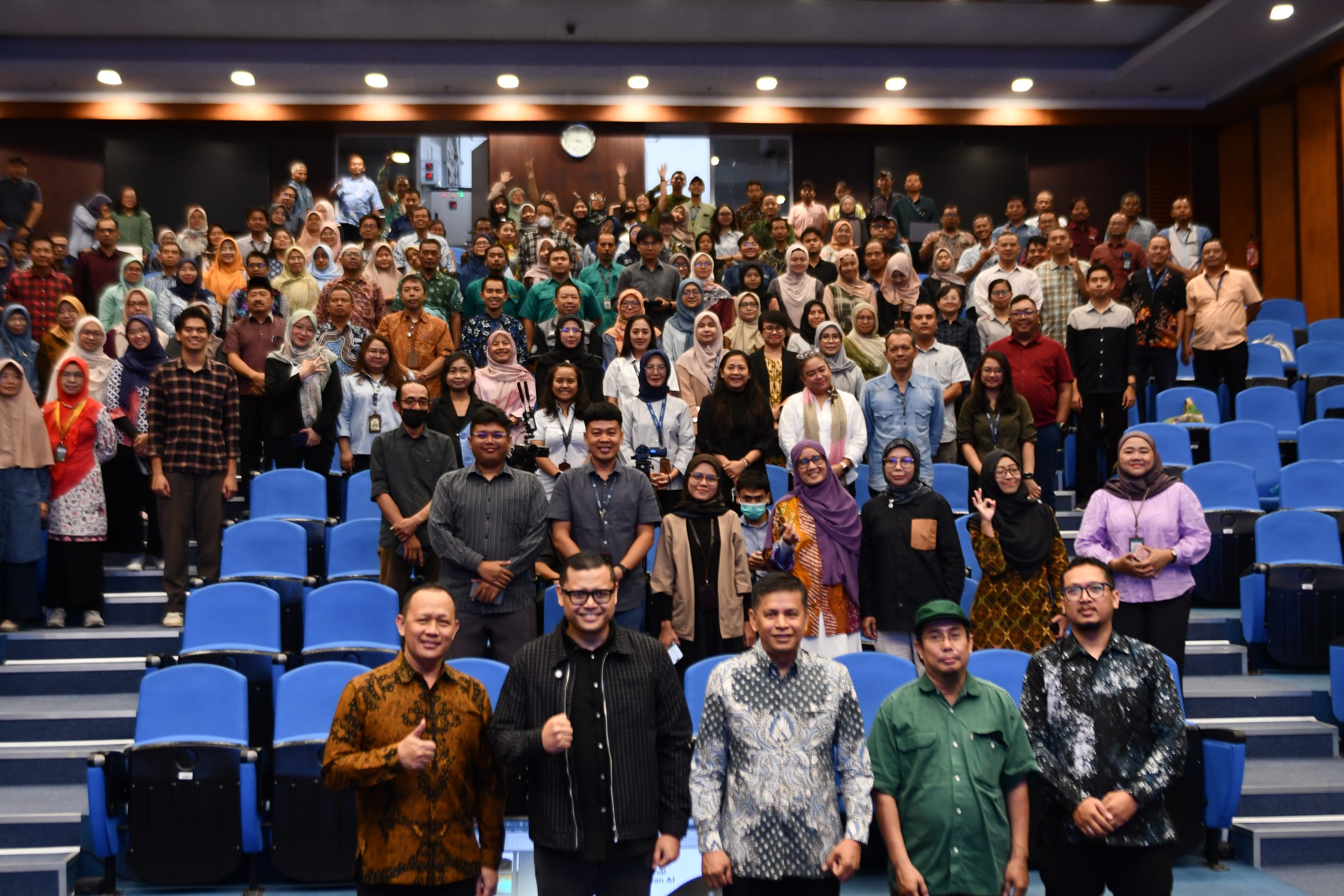
Yogyakarta, September 29, 2026 — The development of social media, information technology, and artificial intelligence (AI) has driven significant changes in professional public relations practices. In higher education institutions, public relations is no longer solely the responsibility of dedicated units but also forms part of every individual’s role in building institutional image and communicating information to the public.
This issue was the focus of the Workshop Public Relations Intelligence 5.0, titled “Transforming Professional Public Relations through Social Media, Information Technology, and Artificial Intelligence.” The workshop was scheduled to take place on Tuesday, September 29, 2026, from 9:00 a.m. to 12:00 p.m. WIB at the Auditorium, 3rd Floor, SGLC Building. The event featured Dr. Hendi Pratama, a Communication Expert, Applied Linguist, and AI-Enhanced Learning Practitioner, as the speaker.
One of the workshop’s main topics was the importance of understanding the role of public relations among all members of the university community, including educational staff. Daily interactions, student services, and communication with external stakeholders are activities that can shape public perceptions of an institution.
The workshop also covered the evolution of public relations and the changing roles of educational staff amid technological developments. Understanding these changes is essential for individuals to adapt to evolving communication practices while maintaining their professional responsibilities in representing the institution.
Furthermore, the workshop highlighted the importance of personal branding for educational staff in the era of Society 5.0. Personal branding involves developing a professional identity through competencies, behavior, and communication. In the digital era, the ability to establish a professional image has become increasingly relevant, both in direct interactions and on social media.
The workshop also addressed digital content skills as part of public relations competency development. The ability to create and communicate content effectively is essential for supporting information dissemination, promoting institutional activities, and reaching audiences through various digital platforms.
In addition, the use of artificial intelligence for Public Relations Intelligence was one of the key discussion topics. The development of AI creates opportunities for organizations to adapt their working methods and communication approaches to advances in information technology. Technological proficiency has therefore become an important aspect of professional public relations development.
Nevertheless, the use of technology must be accompanied by careful consideration in the preparation and dissemination of information. Message accuracy, communication responsibility, and an understanding of audience needs remain essential aspects of public relations practice.
Through the Workshop Public Relations Intelligence 5.0, various aspects of modern public relations were explored as part of efforts to address changes in the digital communication landscape. From understanding the role of public relations and strengthening personal branding to developing digital content skills and utilizing AI, these topics are closely related to the need for competency development in the technological era.
The workshop emphasized the importance of human resource readiness in navigating the transformation of public relations. By understanding developments in social media, information technology, and artificial intelligence, educational staff can continue to enhance their professional capabilities in supporting institutional communication and building a positive institutional image.
The workshop is relevant to several goals of the Sustainable Development Goals (SDGs). First, SDG 4: Quality Education, particularly in supporting lifelong learning and human resource competency development through communication skills and digital literacy.
Second, SDG 8: Decent Work and Economic Growth, through strengthening professionalism and enhancing the capabilities of educational staff in responding to changing workplace competency requirements. Digital skills are an important aspect of developing an adaptable workforce.
Third, SDG 9: Industry, Innovation, and Infrastructure, through discussions on the use of information technology and artificial intelligence to support innovation in public relations practices. Adapting to technological developments is part of building organizational communication processes that are more responsive to the changing digital landscape.
These connections position public relations competency development as a potential contribution to the sustainable development agenda, particularly in education, workforce professionalism, and technological innovation.
Through the Workshop Public Relations Intelligence 5.0, various aspects of modern public relations were explored as part of efforts to address changes in the digital communication landscape. From understanding the role of public relations and strengthening personal branding to developing digital content skills and utilizing AI, these topics are closely related to the need for competency development in the technological era.
The development of human resource capacity in public relations is expected to contribute to ongoing efforts to establish professional, adaptive, and responsible institutional communication while supporting the achievement of sustainable development goals.