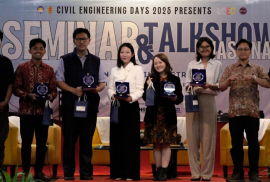

Yogyakarta, May 18, 2025 — Dr. Ir. Tri Mulyani Sunarharum, S.T., IPU, popularly known as Ibu Yani, Lecturer at the Department of Urban and Regional Planning (PWK), Faculty of Engineering UGM, was one of the speakers at the National Seminar and Talkshow of Civil Engineering Days 2025, organized by Universitas Atma Jaya Yogyakarta (UAJY) in collaboration with KAMAJAYA on Sunday, May 18, 2025, at UAJY Campus II Auditorium. The event carried the theme “Transformation of Infrastructure Development in Indonesia: Human Resources, Technology, and Sustainable Development” and brought together speakers from a wide range of related disciplines.
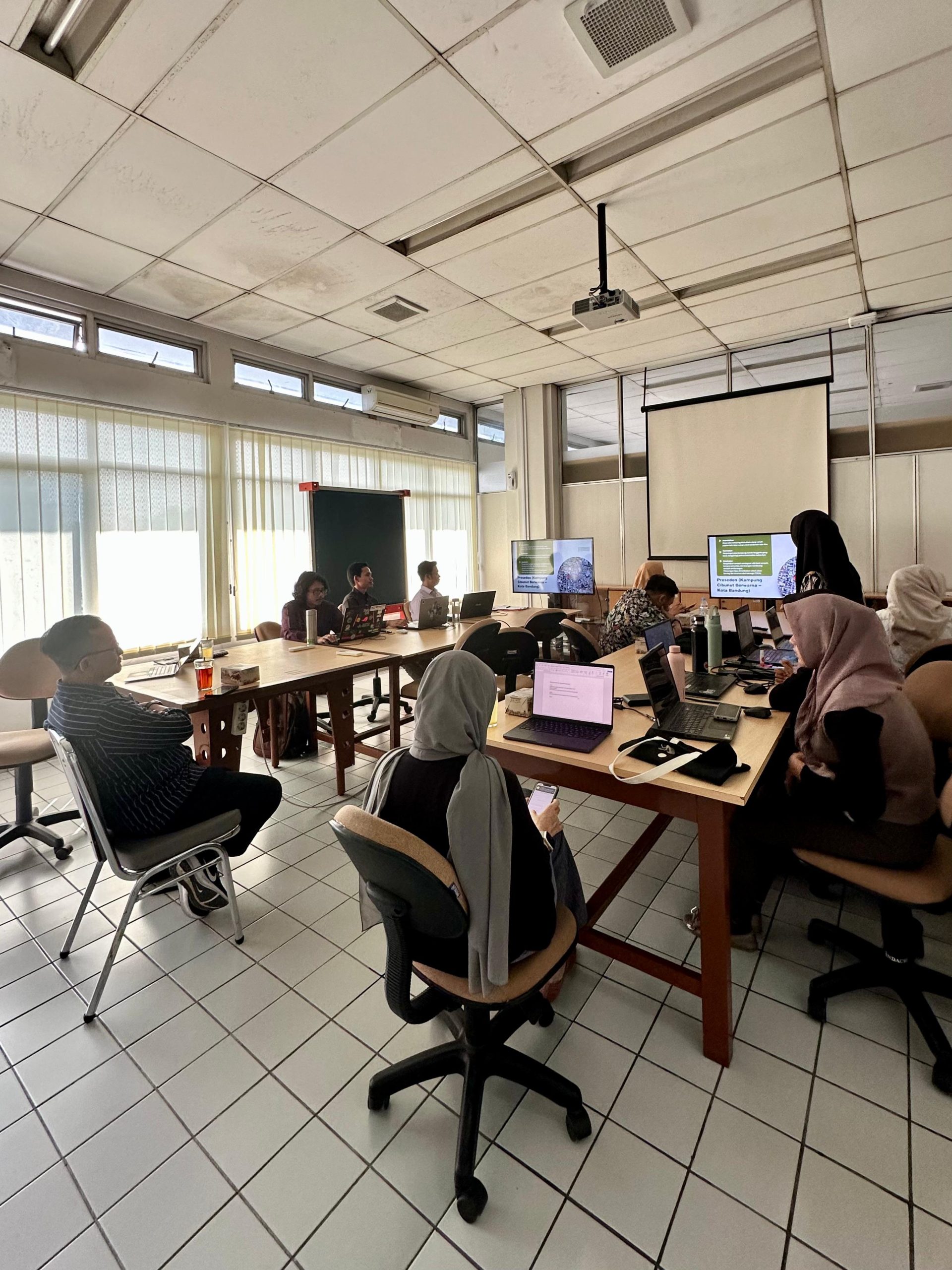
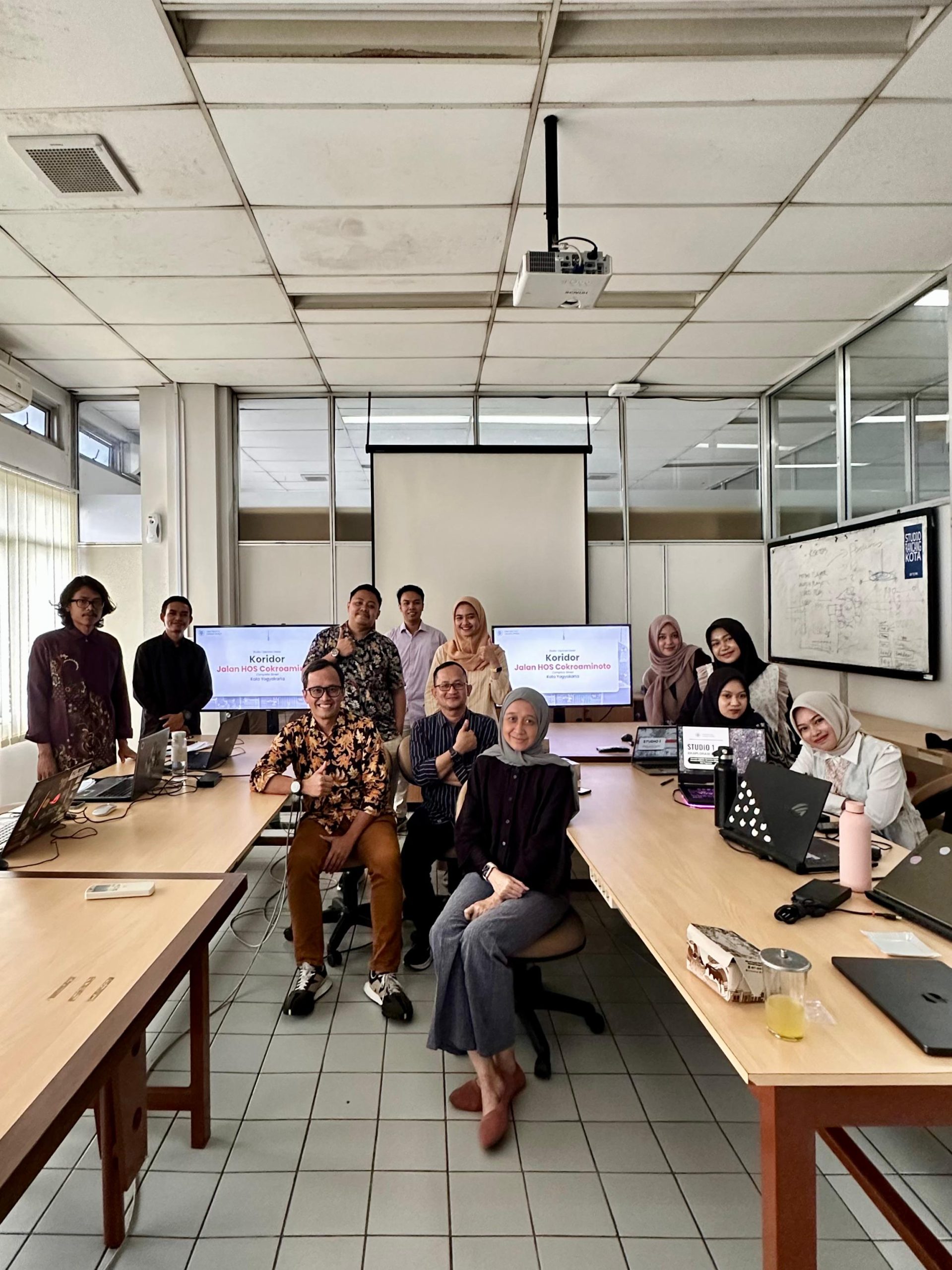
On Thursday, June 12, 2025, students of the 2024 Master of Urban Design Program, Universitas Gadjah Mada (Even Semester), held the Final Presentation of the Basic Urban Design Exploration Studio. The event featured an external reviewer from the Yogyakarta City Office of Land and Spatial Planning, Mr. Pamungkas, S.T., M.T., along with his team.
The Basic Exploration Studio is part of the learning process that emphasizes initial explorations of urban issues in depth. This semester, under the guidance of Dr. Eng. Ir. Muhammad Sani Roychansyah, S.T., M.Eng. and Dr. Dyah Titisari Widyastuti, S.T., MUDD, the project theme was “West Jogja Rapid Growth Area”, with a specific focus on the area surrounding HOS Cokroaminoto Street, Yogyakarta. The students conducted spatial, social, and environmental analyses as the foundation for developing sustainable area development strategies.
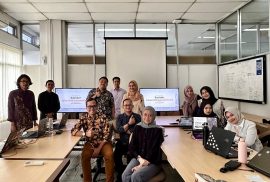
Yogyakarta, June 19, 2025 — The Master’s Program in Urban and Regional Planning (MPWK), Universitas Gadjah Mada, held its Final Studio Examination (UAS) as the culmination of this semester’s practice-based academic activities. This event served as an important moment for students to present their findings, analyses, and proposed flagship planning programs for each study area, which had been previously examined through field data collection.
In this studio, students were divided into several groups and assigned to study specific areas as their case locations. The areas analyzed included:
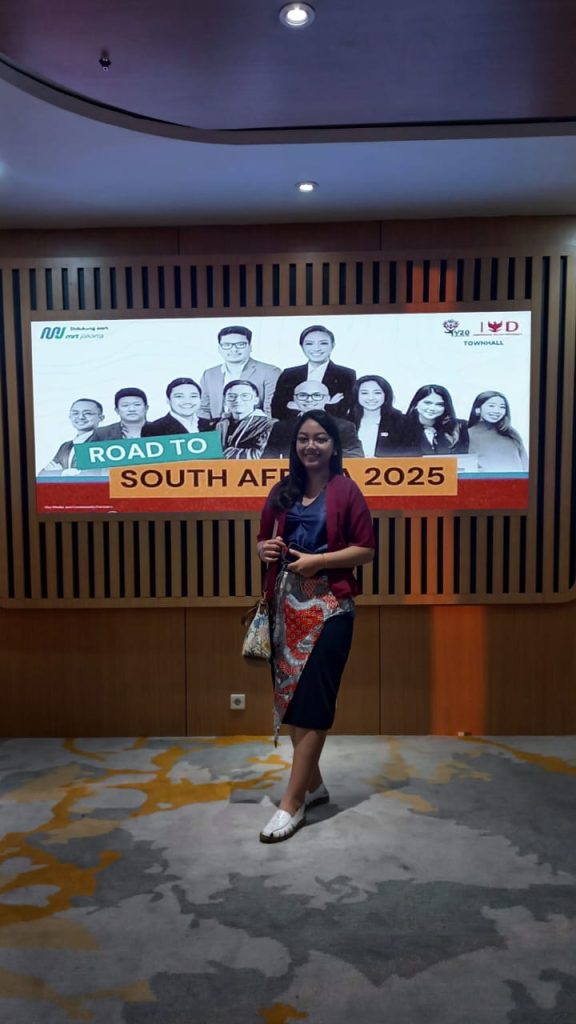
Prienta, a Double Degree student in the Master of Urban and Regional Planning (MPWK) program at Universitas Gadjah Mada, was selected as one of the delegates for the Youth Townhall Road to Y20 Indonesia 2025, held on August 2, 2025, at the Jakarta Library Hall, Taman Ismail Marzuki. This event is part of the Road to Y20 Summit series, which will take place in South Africa, and serves as an important forum to gather the voices of Indonesian youth before being brought to the global stage.
The Youth Townhall was initiated by Indonesian Youth Diplomacy (IYD), a non-profit youth organization in which Prienta is actively involved. IYD is the official body tasked with selecting and facilitating Indonesian youth participation in the Y20 Summit—the official Youth Engagement Group of the G20 Leaders Summit as well as serving as the Youth Focal Point for the G20 Sherpa of the Republic of Indonesia. Prienta’s motivation to join the event stemmed from its purpose: to capture the voices of young people through focused group discussions and consultation forums, which are then summarized into a communiqué and presented at the Y20 Summit in South Africa. “It is very clear that this activity literally and directly brings grassroots youth voices to the international level,” she remarked.
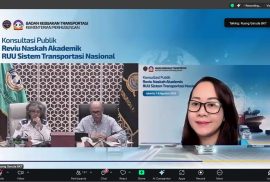
An integrated, safe, and sustainable transportation system is one of the main pillars of national progress. Recognizing the strategic role of this sector in boosting economic growth and improving quality of life, the government is currently drafting the National Transportation System Bill. This bill is expected to address existing challenges and seize opportunities in transportation to help achieve the national target of 8% economic growth.
To strengthen the academic manuscript and the draft bill, Dr. Tri Mulyani Sunarharum, lecturer at the Department of Architecture and Planning, Faculty of Engineering, Universitas Gadjah Mada, and representative of the Asosiasi Sekolah Perencanaan Indonesia (ASPI), provided strategic recommendations. Her input was delivered during an online conference held on Thursday, August 7, 2025, starting at 1:00 PM (WIB). The involvement of academia in the policy-making process demonstrates the importance of synergy between education, government, and other stakeholders.
At the Start of the Odd Semester of the 2025/2026 Academic Year, the Undergraduate Architecture Program, Department of Architecture and Planning (DTAP), Faculty of Engineering, Universitas Gadjah Mada welcomed the new students of the 2025 cohort in the Infoday Undergraduate Architecture Program event on Wednesday, August 6, 2025. A total of 84 new students walked from the SGLC FT UGM to Room K1 DTAP, guided by members of the Architecture Student Association (KMTA) Wiswakharman and the co-facilitators of Pionir Kesatria FT.
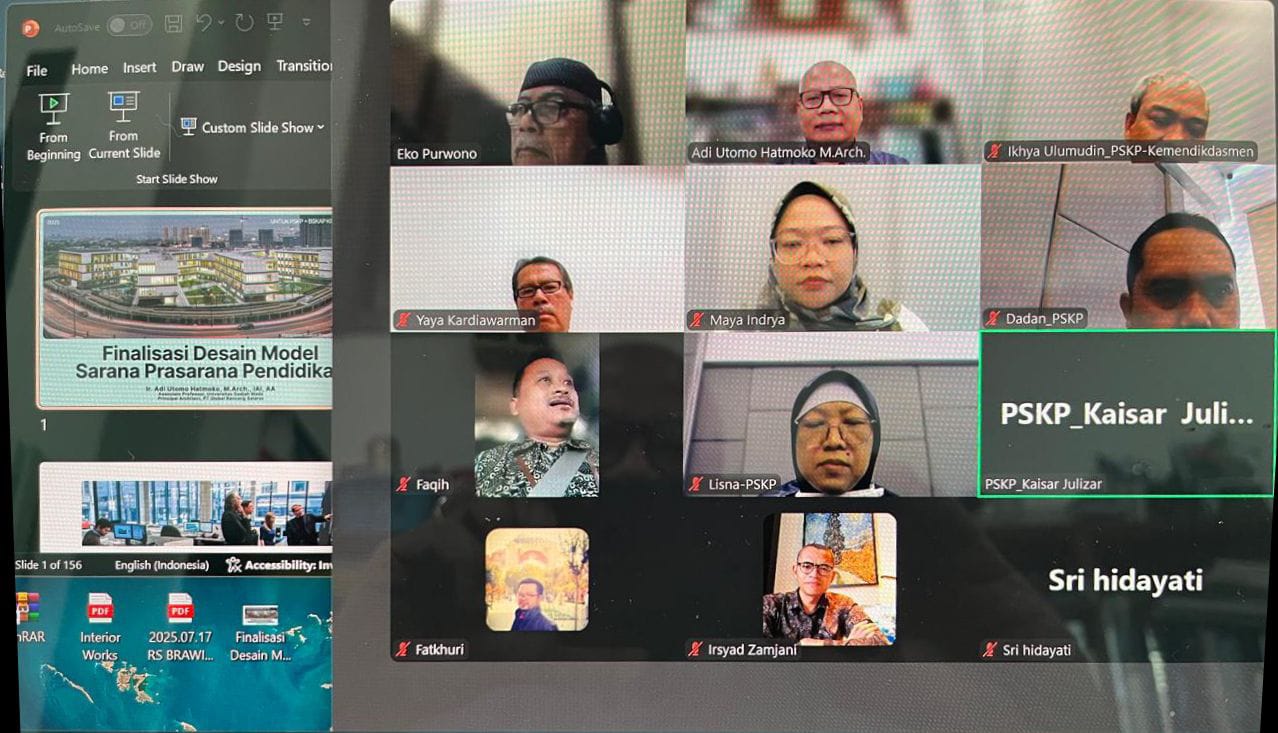
A school should not only be a place for learning, but also a joyful and safe space that nurtures every child’s growth and potential. With the implementation of Indonesia’s 13-year compulsory education program, schools have truly become a second home for the nation’s children. Responding to this need, Kementerian Pendidikan Dasar dan Menengah, through Pusat Standar dan Kebijakan Pendidikan, has developed a new design model for educational facilities, an important step toward a more humane and higher-quality education system.
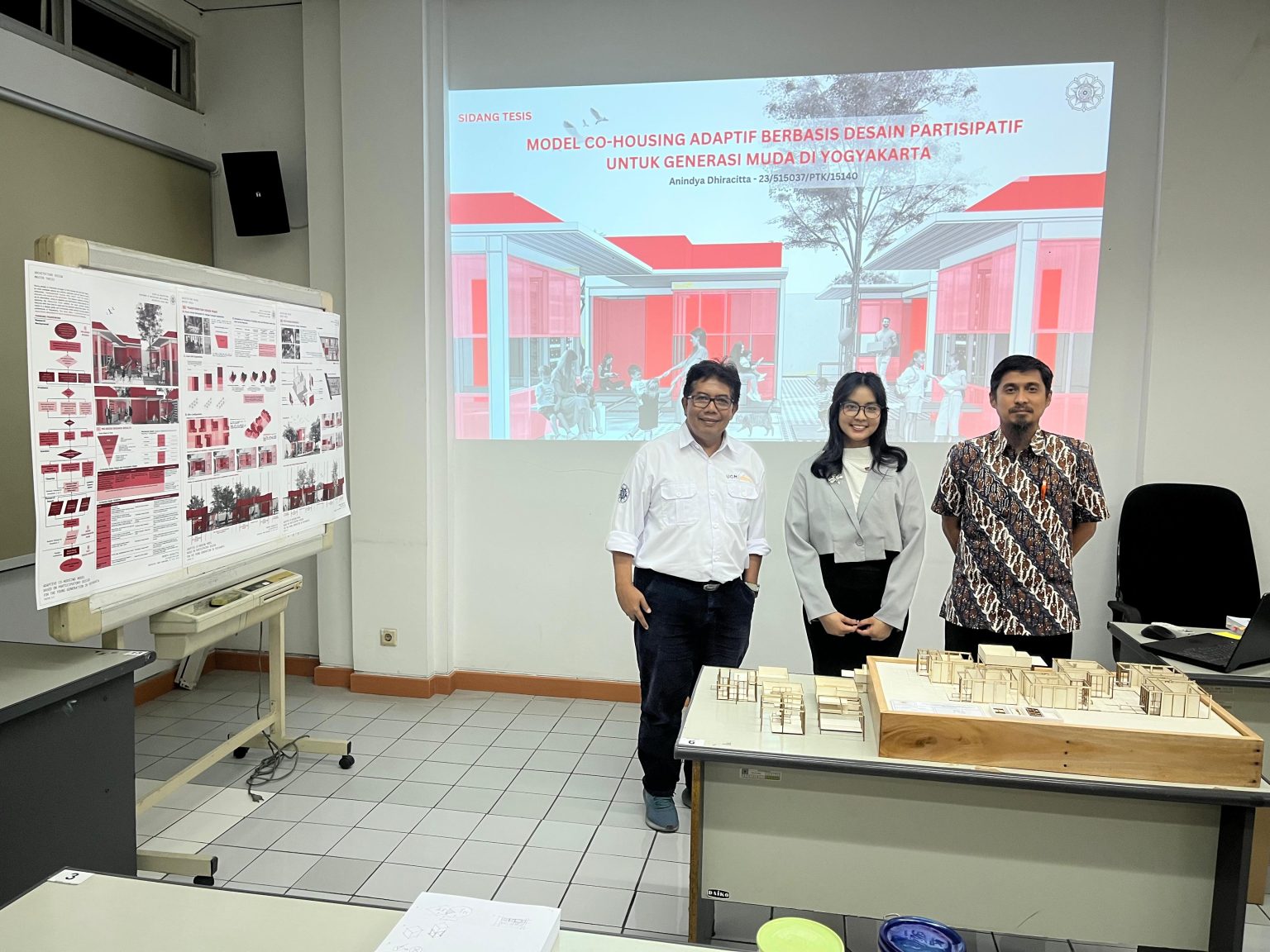
On Friday, July 11, 2025, the first thesis defense for the Architectural Design Concentration (Class of 2023) was held in the Master of Architecture Program at Universitas Gadjah Mada. The first student to successfully complete his thesis was M. Afi Tegar Ramadhan. His thesis topic responded to the challenges of designing schools in dense urban areas by simulating 10,400 classroom scenarios to develop a design guideline based on natural lighting and adaptive thermal comfort.
Three design alternatives were generated and tested within the context of the existing site. The findings revealed that applying a Window-to-Wall Ratio (WWR) of 30–40%, a 2.5% skylight, and operable window openings up to 16.5%could improve natural lighting performance by up to 700% compared to existing classrooms. Adaptive thermal comfort strategies were achieved by maintaining airspeed between 0.6–1.2 m/s.
July 23, 2025 – Dr. Yori Herwangi, S.T., M.URP., served as a guest speaker in a training session organized by the World Resources Institute (WRI) Indonesia, a research organization known for its approach of “Count It, Change It, and Scale It” in driving impact through data-based research. The training was held online via Zoom from 10.00 to 12.00 WIB.
In this session, Dr. Yori presented a topic titled Basic Applied Quantitative Research: Data Collection and Analysis. She began by introducing the fundamentals of quantitative, qualitative, and mixed-method research, explaining their characteristics and types. She then delved into quantitative analysis methods, covering descriptive and inferential statistics. The presentation also included explanations of univariate, bivariate, and multivariate statistics, supported by real-world examples to help participants better grasp the concepts.
How do we care for a living world heritage site? Not merely by admiring it, but by deeply understanding it, this is exactly what the participants of this program aimed to do.
Yogyakarta, a city rich in cultural heritage, once again captured international attention. The city’s Cosmological Axis and its surrounding historic landmarks are key elements recognized by UNESCO. In an effort to strengthen conservation efforts and deepen understanding of this heritage, the UGM-UNESCO Chair in Heritage Cities Conservation and Management, in collaboration with the Yogyakarta Municipality Government, Kanki Laboratory, and the Jogja Heritage Society, held the 2nd International Field School on the Cosmological Axis of Yogyakarta and Its Historic Landmarks: Conservation and Management of the Buffer Zones. The five-day field school, held from 14 to 18 July 2025, took place in multiple key locations: the Department of Architecture and Planning, Faculty of Engineering, Universitas Gadjah Mada; Yogyakarta Municipality Office; four subdistricts (Kadipaten, Patehan, Panembahan, and Ngupasan) within the buffer zone; and various points along the Cosmological Axis of Yogyakarta.